Lab Animal Equipment
  • Startle response mouse
  • Startle Reflex
  • rat startle reflex
  • prepulse inhibition mouse
  • prepulse inhibition rat
  • prepulse inhibition
  • Startle response mouse
  • Startle Reflex
  • rat startle reflex
  • prepulse inhibition mouse
  • prepulse inhibition rat
  • prepulse inhibition

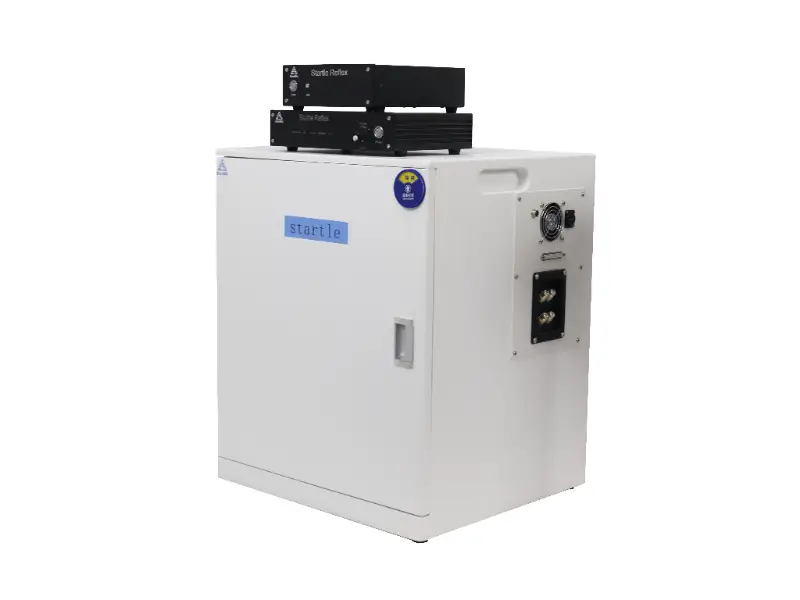
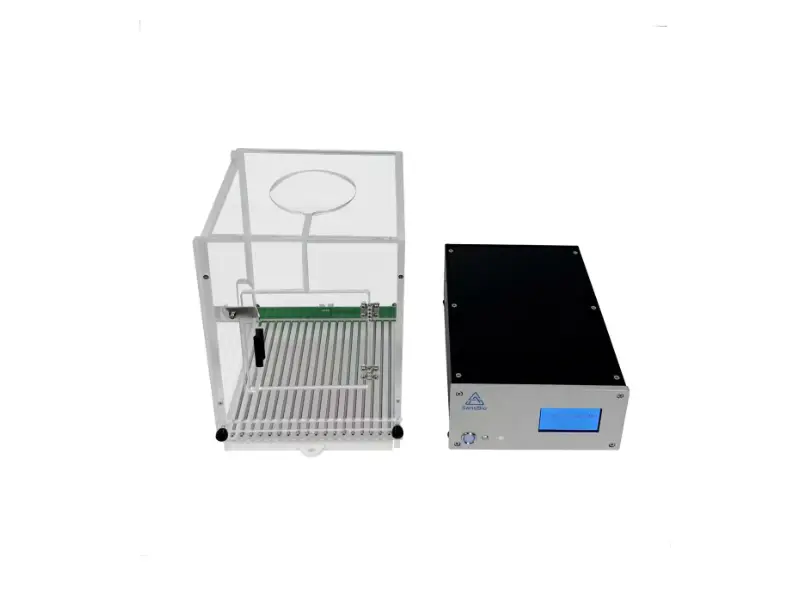
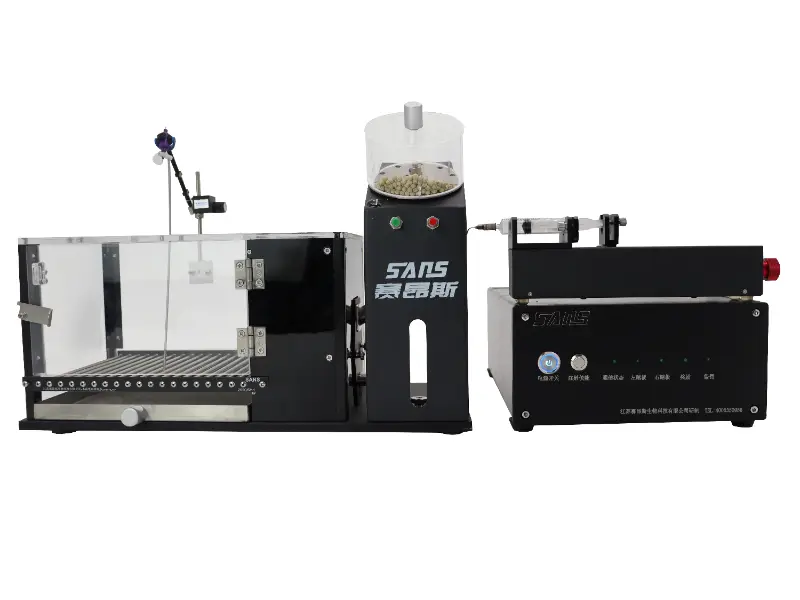
Startle Reflex System

Startle Reflex System is a dedicated rodent behavioral testing platform designed to deliver reliable measurement of the acoustic startle response (ASR) and prepulse inhibition (PPI). It supports a variety of protocols including habituation, pre-pulse inhibition, potentiated startle, and user-defined experiments. With compatibility for both mice and rats, and up to 16 chambers in parallel, this system is ideal for behavioral neuroscience, sensorimotor gating research and neuropsychiatric disorder models such as schizophrenia.

Overview

Prepulse inhibition (PPI) is the phenomenon in which a weak prepulse stimulus attenuates the response to a subsequent startling stimulus. The stimuli are usually acoustic, light and tactile stimuli. Patients with schizophrenia and some other neuropsychiatric disorders have impaired PPI. SANS’s Rodent Startle Reflex System allows for Pre-pulse inhibition and fear-potentiated startle protocols efficiently and economically. Animal models are widely used to test hopotheses linking genetic components of various diseases.

Application

  • Acoustic Startle Response (ASR) and Startle Reflex Test in rodents
  • Prepulse Inhibition (PPI) apparatus for assessing sensorimotor gating
  • Fear-potentiated startle protocols for anxiety, fear & emotion research
  • Behavioral neuroscience testing systems for pharmacology, addiction, genetics and brain-disorder models
  • Startle response behavioral test

Features

  • Multi-chamber (up to 16) enables high-throughput rodent startle reflex testing.
  • Supports both mice and rats, reducing equipment duplication costs.
  • Graphical and intuitive user interface simplifies experiment setup and modification.
  • Multi-mode stimuli: sound, light, shock grid and tactile can be used individually or in series, enabling habituation, PPI, potentiated startle or customized protocols.
  • High-precision 3-axis sensor ensures accurate detection of animal movement/response in any direction and reduces interference from environment.
  • Comprehensive data output: ASRp, ASRc, PPI Pct, detailed time-amplitude curves, trial logs – ideal for behavioral and pharmacological analysis.
  • Customizable restrainers, modular shock grid, and expandable chambers allow tailored experiments for varying research needs.
  • Data export via USB in usable formats (CSV, Excel) allows seamless integration into your analysis workflow.

Advantages

  • Precision: with 16-bit sensor resolution and fine calibration, results are sensitive and reproducible.
  • Flexibility: from simple startle response to complex PPI and fear-potentiated paradigms.
  • Scalability: up to 16 chambers for simultaneous testing increases throughput and data volume.
  • Best-in-class value: powerful features at cost-effective pricing, especially for academic and translational research labs.
  • Future-proof: designed for behavioral neuroscience research, pharmacology, neuropsychiatry, addiction and sensorimotor gating.
  • User-friendly: intuitive software and hardware that streamline training, execution and data management, reducing user error.
Specification

General

  • Applicable for Rats and Mice, maximum 16 chambers.
  • Adopts user-friendly graphical interface settings, experiment building and modification can be achieved by clicking the icon or picture directly.
  • Sound, light, electricity and tactile stimuli occur simultaneously or in serial, and can be freely combined.
  • Available for Habituation, Pre-pulse Inhibition (PPI), Potentiated Startle or user-defined experiments.

Pinciple

  • The high-precision three-axis digital sensor can detect the muscle contraction response of animals in any direction of XYZ, effectively solving the problem of animals in one direction and electromagnetic interference.
  • 16bit resolution, accuracy up to 1/65536
  • Sensor supports calibration
  • Special algorithms are used to remove the effect of sound itself on the sensor.

Sound

  • Speaker: Raise and lower volume based on intrachamber volume (from the detector).
  • AI detection, real time sound intensity display.
  • White Noise Generator included in default Software, include White Noise and Tone.
  • White noise stimulus: duration 1~6000ms, Max 130db.
  • Tone stimulus: duration time 1 ~ 6000ms, frequency range 100~20000Hz, Max 130db.
    intensity can be set by software.

Shock Grid

  • 0.1-4.0mA in 0.1mA steps.
  • AC Current. Alternating pulse current ensure fully shock.
  • Removable Grid.
  • Frequency: 1000Hz, 1ms per time.
  • Full digital control, scramble-frequency constant electrical stimulator makes it no rule in animal side.

Tactile stimulation

  • The intensity of stimulation can be adjusted by adjusting the pressure of the compressed gas cylinder.

Software

Data Recording

  • PPI Result
    • Decibel
    • ASRp (PP+ST amplitude)
    • ASRC (ST amplitude)
    • PPI Pct (PPI inhibition rate)
  • Trial results
    • Db (sound) Peak Value, Total Value, ASR standard deviation)
    • Rms Value (root mean square) Start (start time) End (end time) Period Cnt (duration)
  • PPI Cal Details: detailed amplitude data under the corresponding decibel sound (including the corresponding Block and Trial numbers)
  • PPI Pct
    • Calculation formula and results of ASRp, calculation formula and results of ASRc, calculation formula of PPI (ASRC-ASRP) /ASRc and results of suppression ratio for appropriate decibel sound
    • Table of 1000 time-amplitude correspondence data in 1s

Size

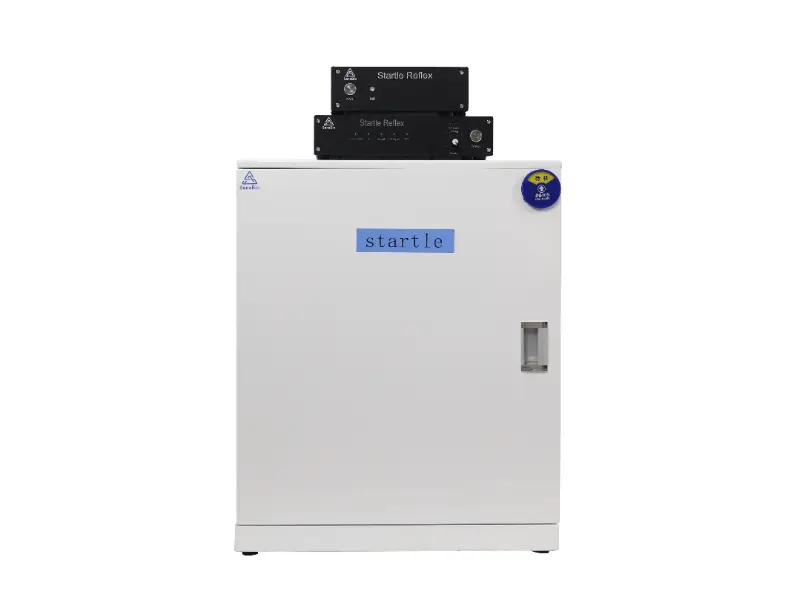
  • Main Controller: 22 x 11 x 32cm (width x depth x height).
  • Secondary Controller: 28 x 7 x 21cm (width x depth x height).
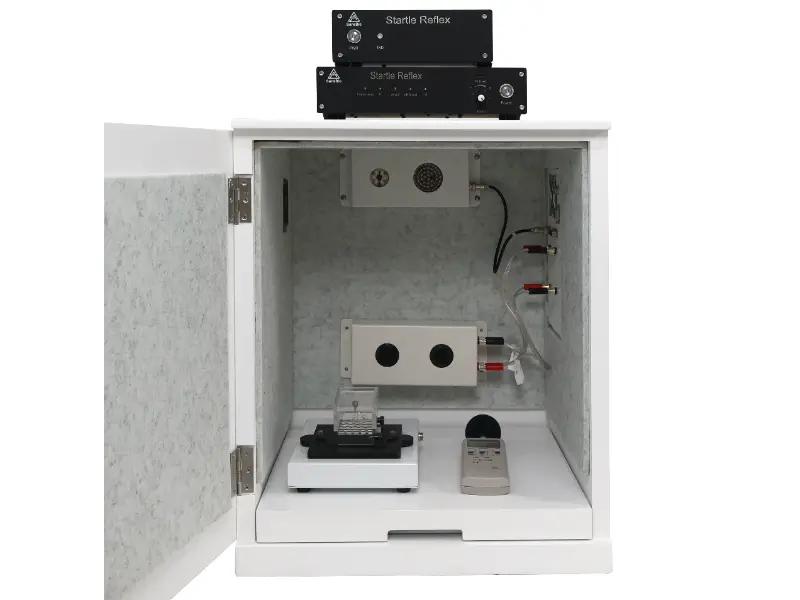
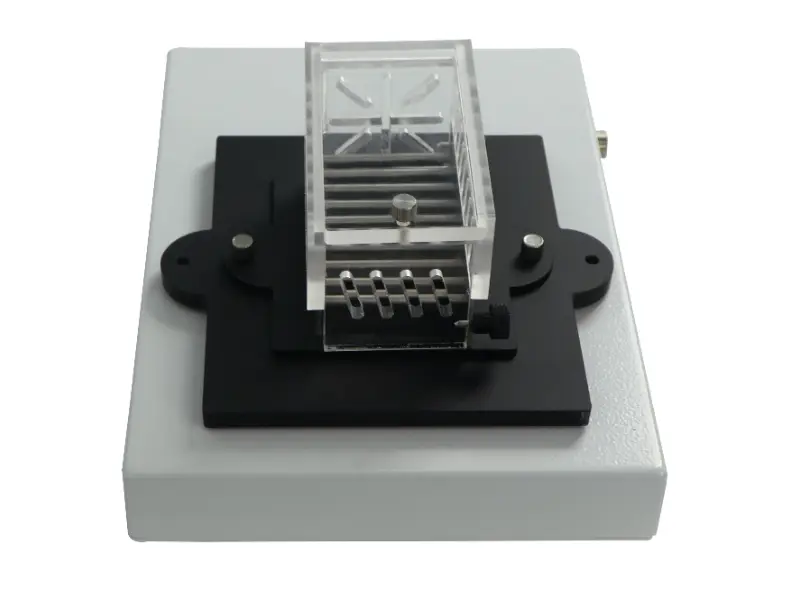
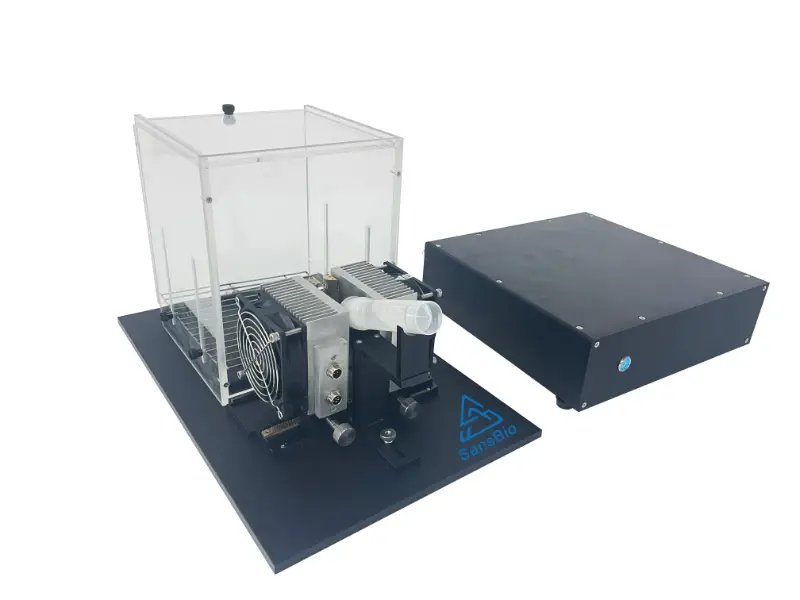
  • Restrainer: mouse 6cm*6*10cm, rat 10.5cm*10.5cm*15cm (width x depth x height).
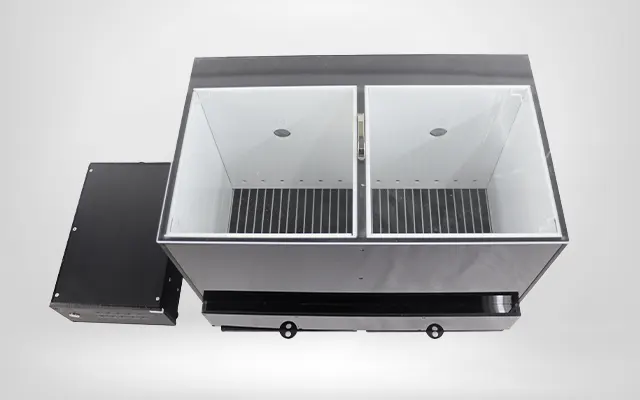
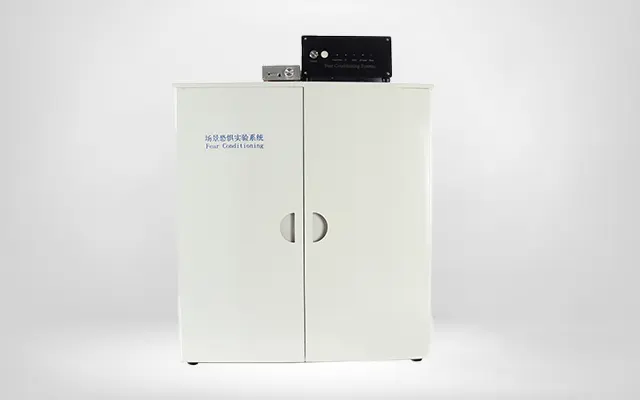
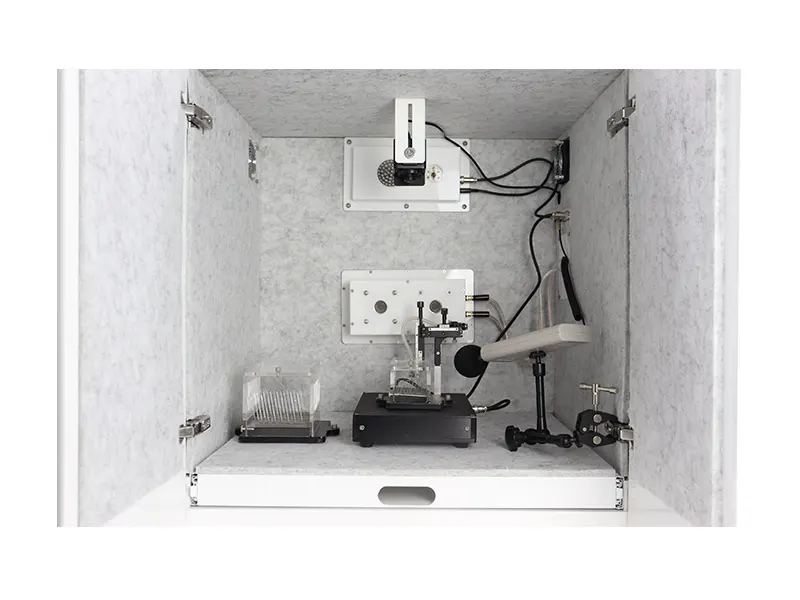
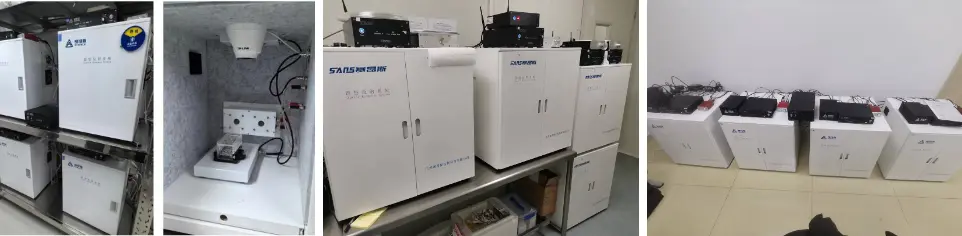
  • Sound attenuation cubicle: 46 x 60 x 44 cm (width x depth x height).
  • Sound attenuation cubicle is equipped with fan which can be start and stopped by software.
FAQ

Q1: Can this Startle Reflex system be used for both mice and rats?
Yes, our startle reflex system contains 1 rat restrainer and 1 mouse restrainer which supports both rat and mouse.

Q2: What behavioral paradigms does this startle response system support?
It supports habituation, acoustic startle response (ASR), prepulse inhibition (PPI), potentiated startle and custom user-defined protocols.

Q3: How many chambers can I run simultaneously?
Up to 16 chambers can be configured for simultaneous testing, allowing high throughput behavioral screening.

Q4: What types of stimuli are supported?
The system supports auditory (white noise and tone), light, shock grid (for tactile/electrical), and optional compressed-gas tactile stimulation.

Q5: How are data recorded and exported in this startle reflex system?
The system records detailed trial and block data including Decibl, Amplitude, RMS, latency, duration, PPI Pct, etc. Data can be exported via USB in CSV/Excel formats for further analysis.

Q6: Is calibration required for the sensor?
Yes, the high precision three-axis digital sensor supports calibration to ensure measurement accuracy.

Reference

Prepulse Inhibition (PPI) is a well-established paradigm widely cited in neuropsychiatric research, particularly in studies on schizophrenia, sensorimotor gating, and genetic models of brain disorders. The PPI test is frequently used to validate animal models and explore the neurological basis of psychiatric conditions, making it a valuable tool in translational neuroscience.

How to Order

Ordering Information

Item No. Product
SA217-R Startle Reflex System for Rat
SA217-M Startle Reflex System for Mouse

Start Now

Quality First, Cost Effective, Reputation Above All.

form-background

    Message *