Lab Animal Equipment
  • step down test
  • step down test mouse
  • Step Down Test
  • step down rat
  • step down test
  • step down test mouse
  • Step Down Test
  • step down rat

Step-Down Avoidance Task

Rodent Step-Down Avoidance Task is a classic passive avoidance learning and memory test designed for mice and rats. It is widely used to evaluate learning acquisition, memory retention, and aversive memory in behavioral neuroscience and pharmacological research.
This Step-Down Avoidance Test is especially suitable for initial drug screening, including compounds targeting cognitive enhancement, memory improvement, anti-aging, and nervous system protection.
During the experiment, rodents learn to associate stepping down from a safe platform with a mild aversive stimulus. Retention latency, that is the time before stepping down, is recorded as a key indicator of learning and memory performance—The longer the retention latency, the better the memory.

Overview

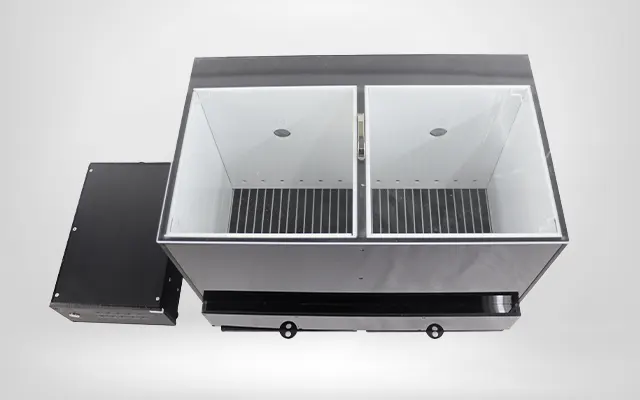
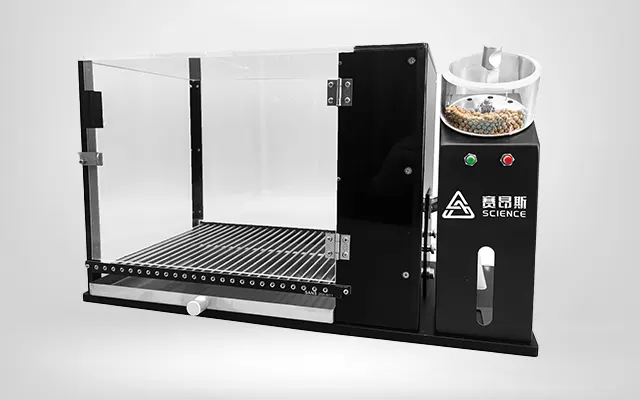
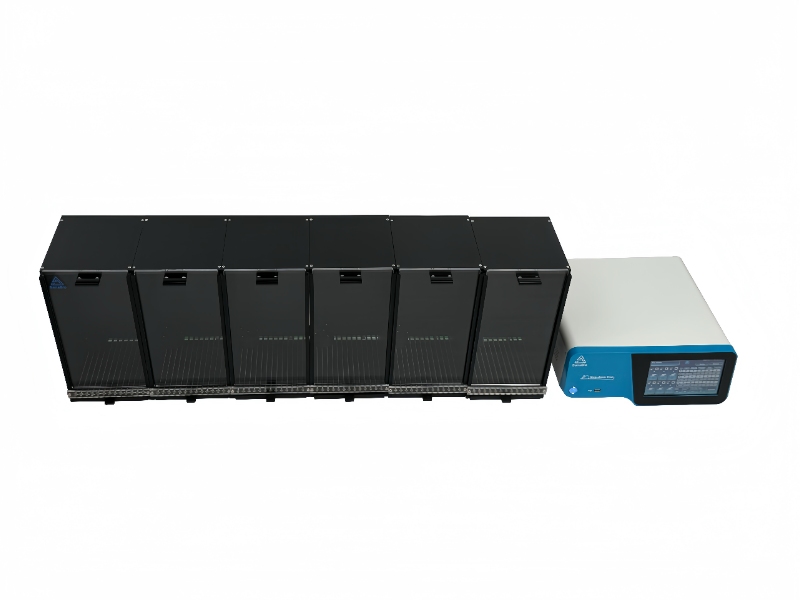
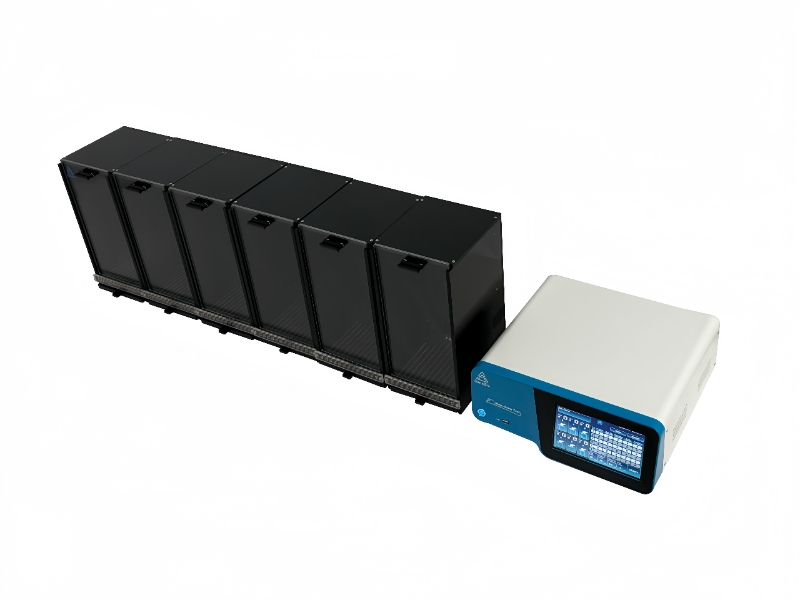
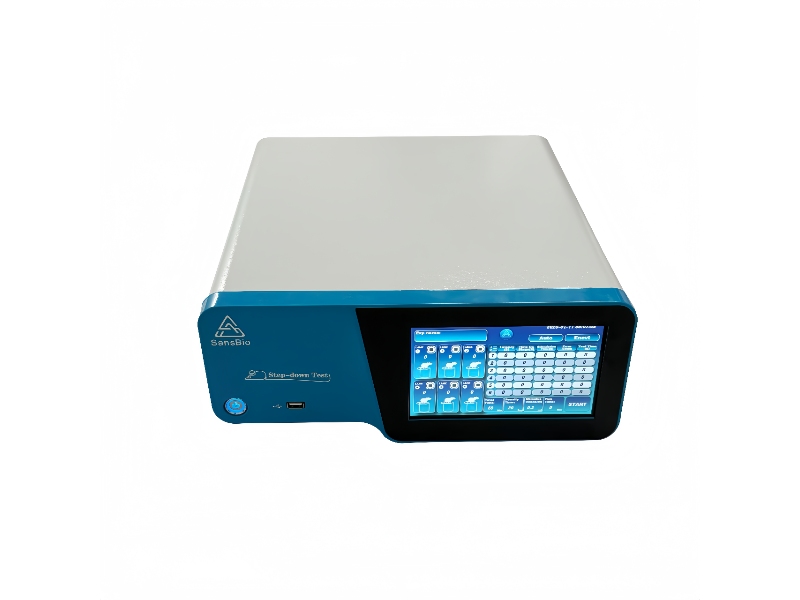
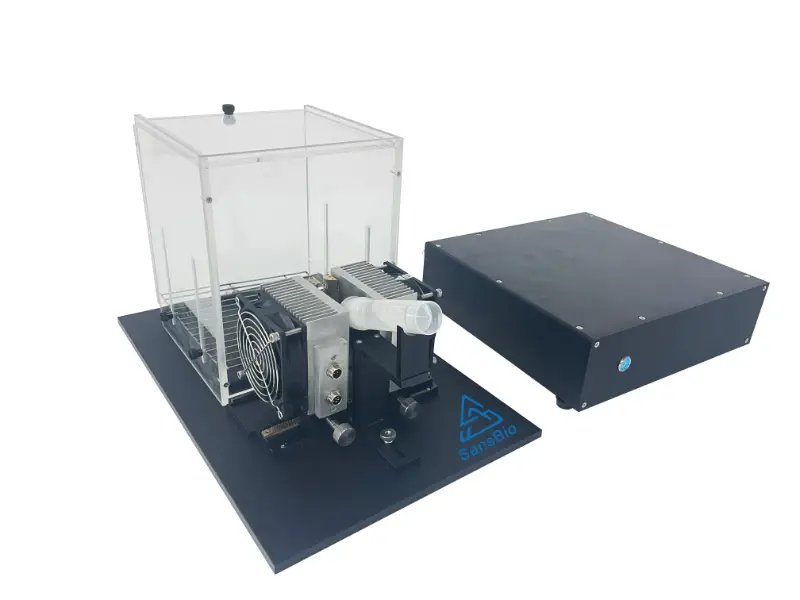
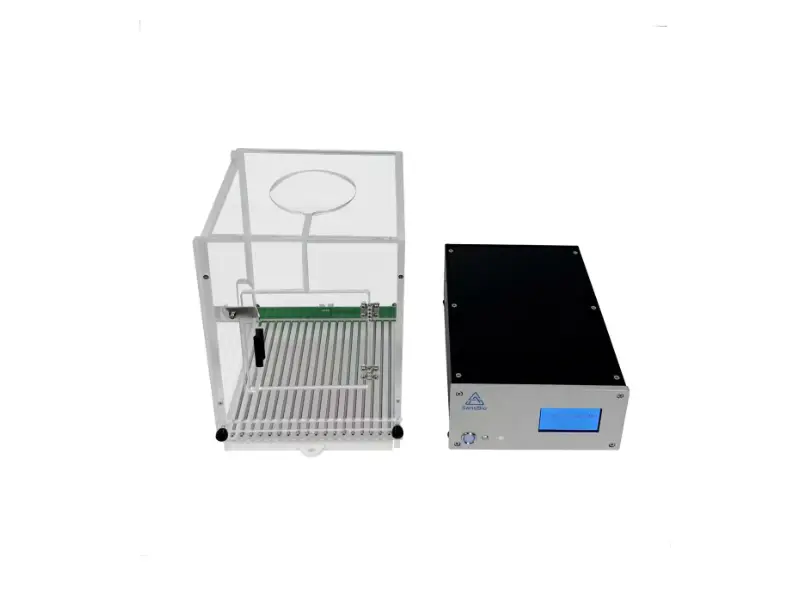
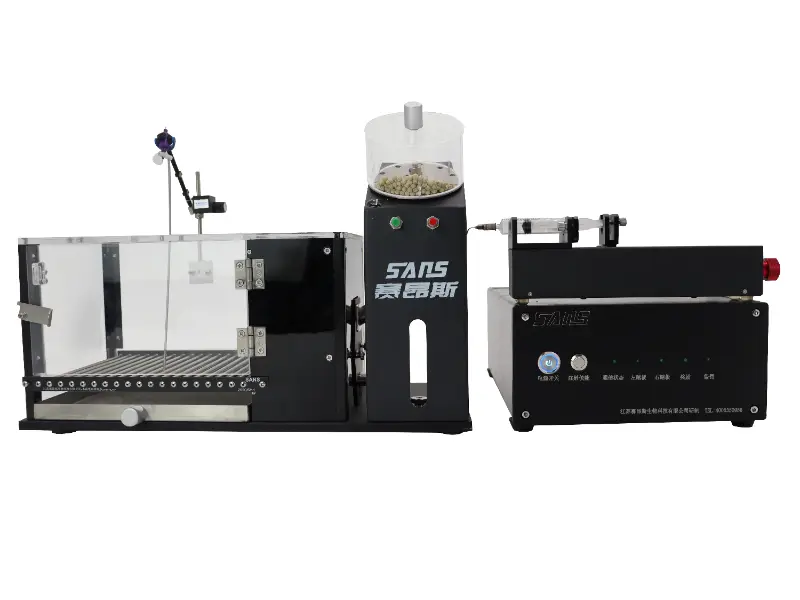
Rodent Step-Down Avoidance Task is an automated passive avoidance apparatus for assessing learning and memory in mice and rats. Ideal for cognitive and neurobehavioral research.
Our Step-Down test integrates infrared (IR) sensors for accurate step-down detection, automated timing, and comprehensive data recording, ensuring objective, repeatable, and reliable results in rodent behavioral studies.

Application

• Learning and memory assessment in mice and rats
• Passive avoidance learning and memory experiments
• Cognitive function evaluation
• Fear-based memory and aversive learning studies
• Drug screening for brain enhancement and memory improvement
• Neurobehavioral research
• Neurodegenerative disease research (e.g., Alzheimer’s disease models)
• Aging, dementia, and cognitive impairment studies
• CNS drug efficacy and safety evaluation

Features & Benefits

7-inch IPS HD capacitive touch screen, resolution of 1024×600 Clear and easy operation.
Infrared sensor with high accuracy High anti-interference, capture animal activity accurately
Support 6 rodents test simultaneously Meet high-throughput experimental requirement.
Support 8 projects in the test with detailed information of the animals Meet complex grouping (such as multiple dose groups, control groups), well animal information management, reduce errors in manual recording.
Auto, Alone, and Normal modes available Adapt to different experiment.
Latency recording accuracy 10ms Capture the instantaneous changes in animal behavior precisely and ensure high-resolution.
3000 data save Large memory size.
Historical data backtracking and CSV. File exportable to USB Ensure save storage of long-term data, with CSV standard format compatible with various analysis software (such as Excel, SPSS, Prism).
Support both OTA (Over-the-Air) and USB drive for software upgrade Reduce maintenance costs.
Specification

General

  • Power supply: AC100–240V, 50/60 Hz
  • Power: 100 W
  • Noise level: <50 dB
  • Operating temperature: –15°C to 50°C

Operation

  • Applicable for both 3 Rats and 6 Mice.
  • 7-inch capacitive touch screen, resolution 1024 × 600, clear display and simple operation.
  • IR sensor to well detected the rodent step down, Latency resolution: 10ms
  • Experiment mode: Auto mode, Alone mode and Normal mode.
  • Electric Stimulation: 0.05-5 mA adjustable.
  • Test time: 1 – 99999min; Penalty duration: 1 – 99999s.

Animal Management

  • Up to 8 configurable groups
  • Editable animal info (ID, age, weight, sex, group, notes)
  • Max 6 animals per group

Data Record

  • Data record: Number of errors, total latency, total stimulation time, single-channel test time, and the first 10 trial times.
  • Each channel independently timing, automatic start/finish.
  • Data exportable in CSV format.
  • 3000 data save.

Size

    • Rat                                                             
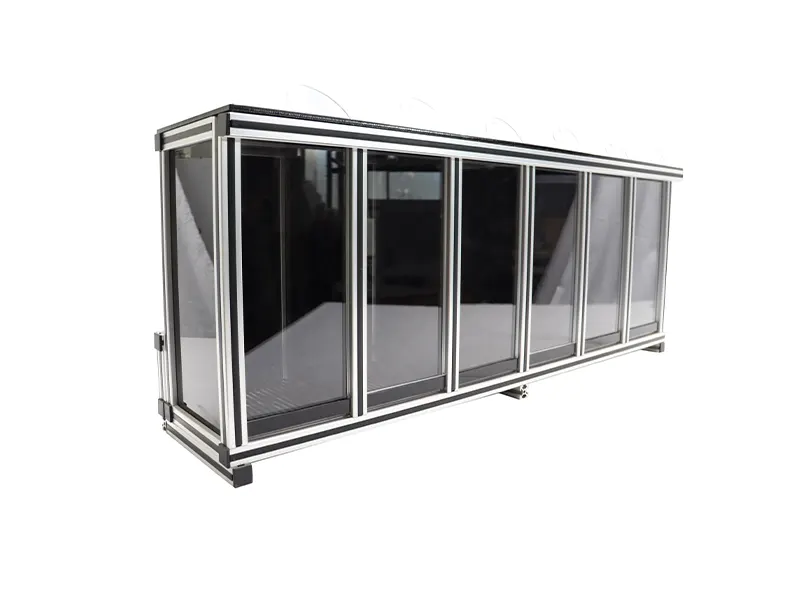
      Chamber (O. Size): 34x36x34cm        
      Chamber (I. Size): 30x30x30cm

    • Mouse                                                             
      Chamber (O. Size): 17x20x30cm        
      Chamber (I. Size): 15x15x30cm

     • Controller                                                         
      28x29x14cm (L*W*H), weight: 3.8kg

FAQ

Q1. What is the difference between Step-Down Avoidance and other passive avoidance tests?
The Step-Down Avoidance Task measures memory by recording the latency for an animal to step down from a safe platform onto a grid associated with an aversive stimulus. Compared with step-through passive avoidance tests, it emphasizes platform-based avoidance learning, making it particularly suitable for evaluating retention latency and aversive memory strength.

Q2. Can this system be used for both mice and rats?
Yes. Our Step-Down Avoidance Task SA202 is specifically designed for both mice and rats, with appropriately sized chambers and adjustable parameters to accommodate different species and experimental protocols.

Q3. What does retention latency indicate in this Step-Down Avoidance Task?
Retention latency reflects how long an animal remembers the aversive association. Longer step-down latency indicates better learning and memory retention, making it a key outcome measure in cognitive and pharmacological studies.

Q4. Is the Step-Down Avoidance Task suitable for drug screening studies?
Absolutely. The Rodent Step-Down Avoidance Task is widely used in initial screening of cognitive-enhancing, anti-aging, and CNS-active drugs, due to its sensitivity to changes in learning and memory performance.

Q5. How is experimental bias minimized?
The Step-Down Avoidance Task uses automated IR sensors, independent channel timing, and automatic data recording, which significantly reduces human interference and improves objectivity and reproducibility.

Q6. What kind of data can be exported for analysis?
The Step-Down Avoidance Task records errors, step-down latency, stimulation time, and trial-specific data, all of which can be exported for further statistical analysis using standard software.

Reference

Donepezil attenuates vascular dementia in rats through increasing BDNF induced by reducing HDAC6 nuclear translocation

Acta Pharmacologica Sinica

How to Order
Item No. Product
SA202R Step-Down Avoidance Task for Rat
SA202M Step-Down Avoidance Task for Mouse

Start Now

Quality First, Cost Effective, Reputation Above All.

form-background

    Message *